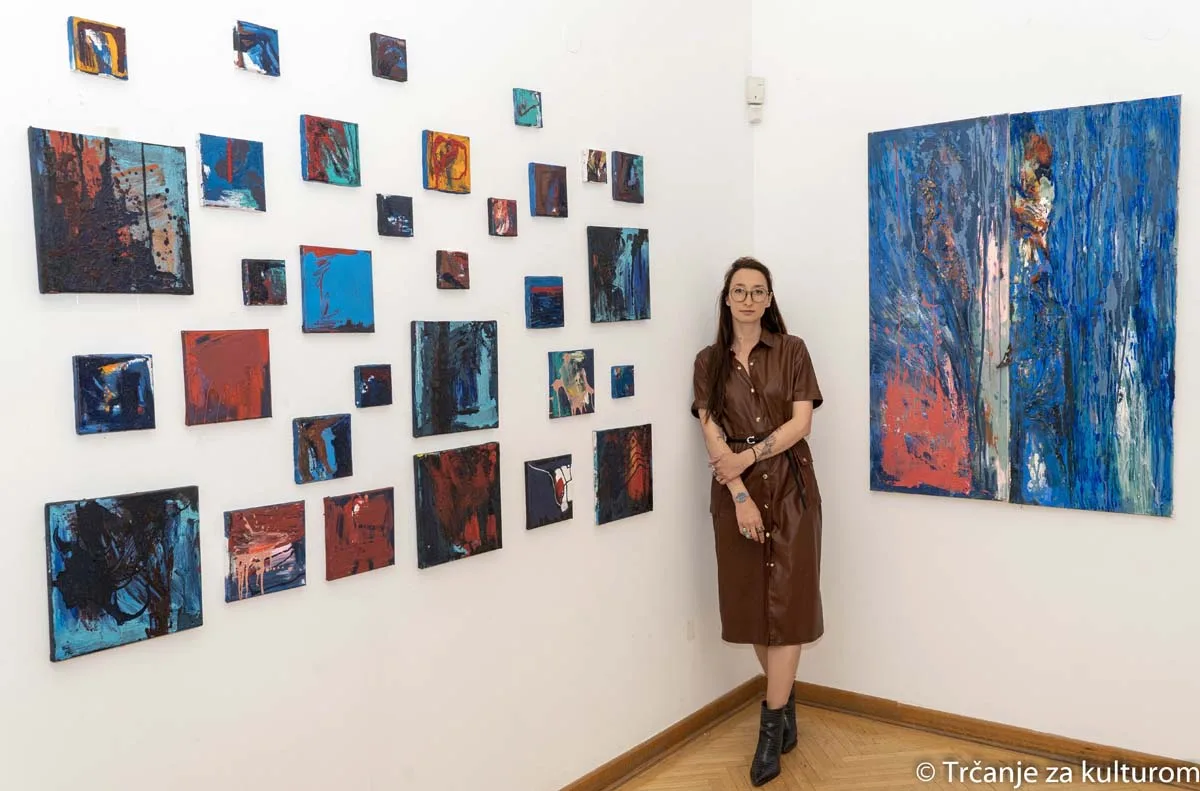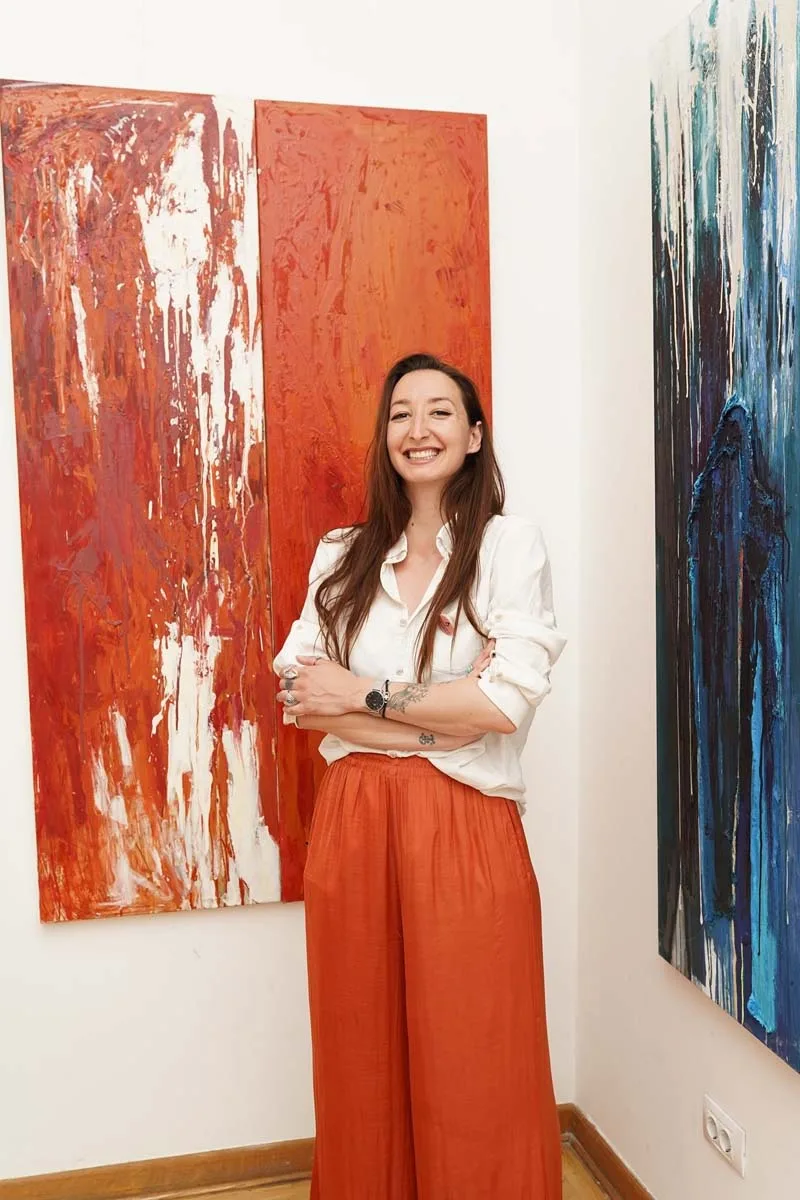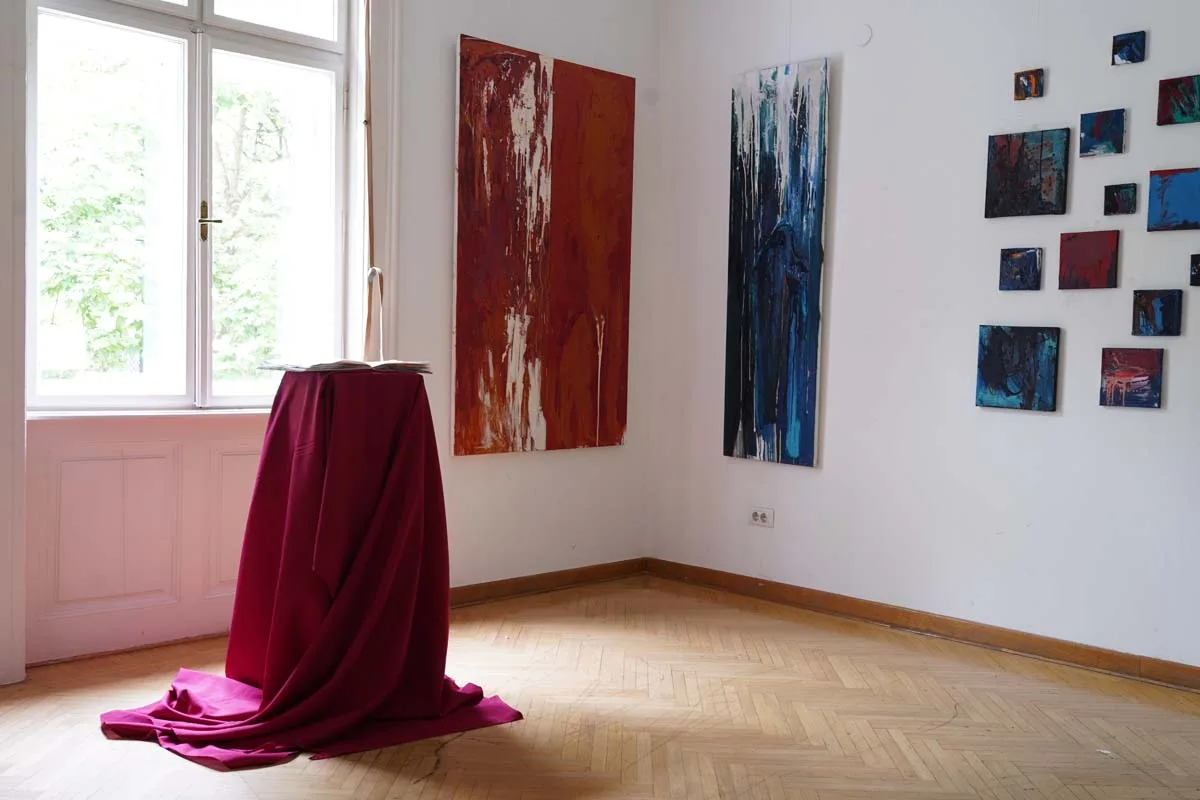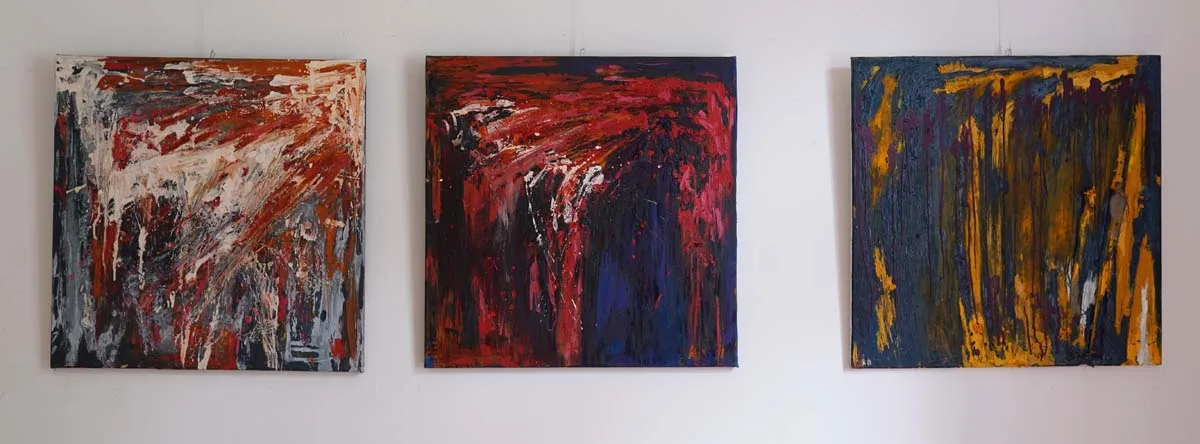
Painting cycle; 2021
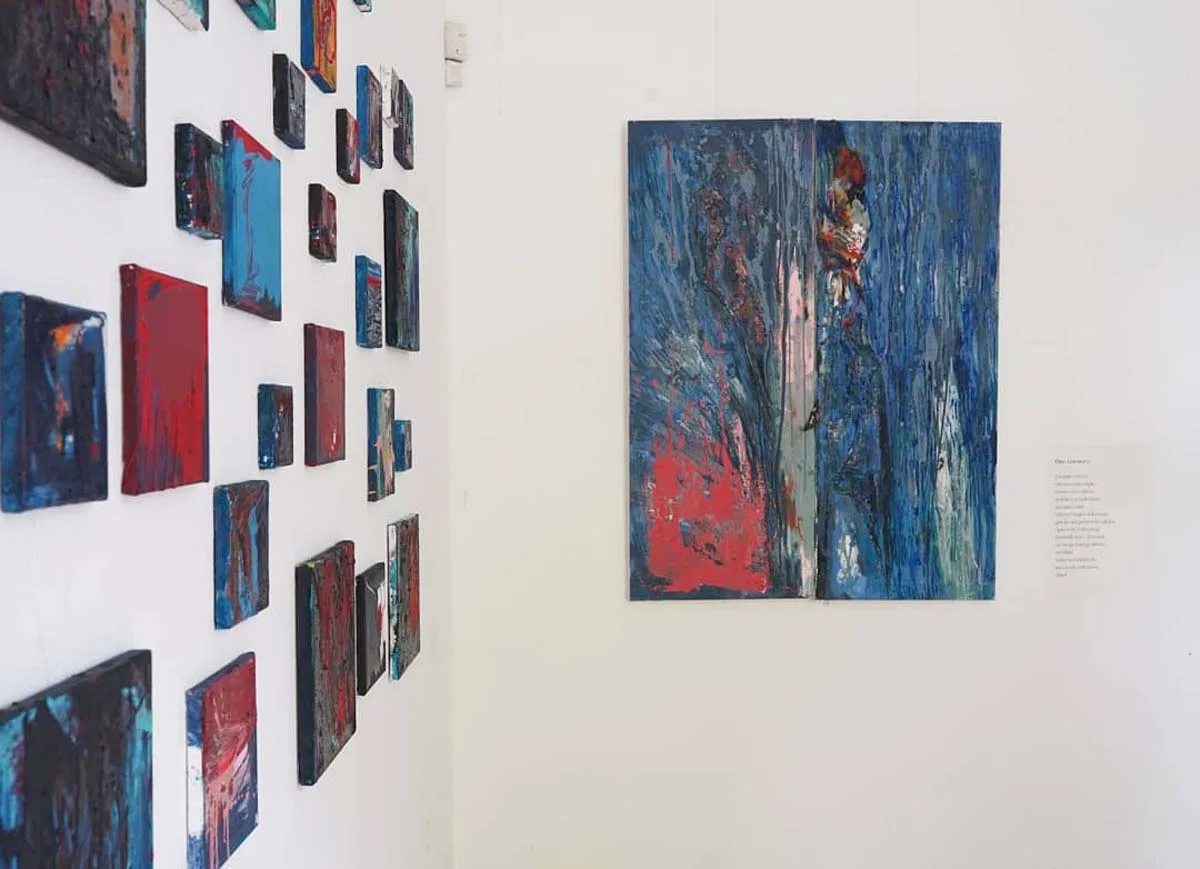
The works in Ode to Oblivion emerged from and represent the concluding phase of the Structure of Memory series. While Structure of Memory was grounded in the deconstruction and repositioning of memory through artistic documentation, Ode to Oblivion turns towards what remains once memory begins to dissolve.
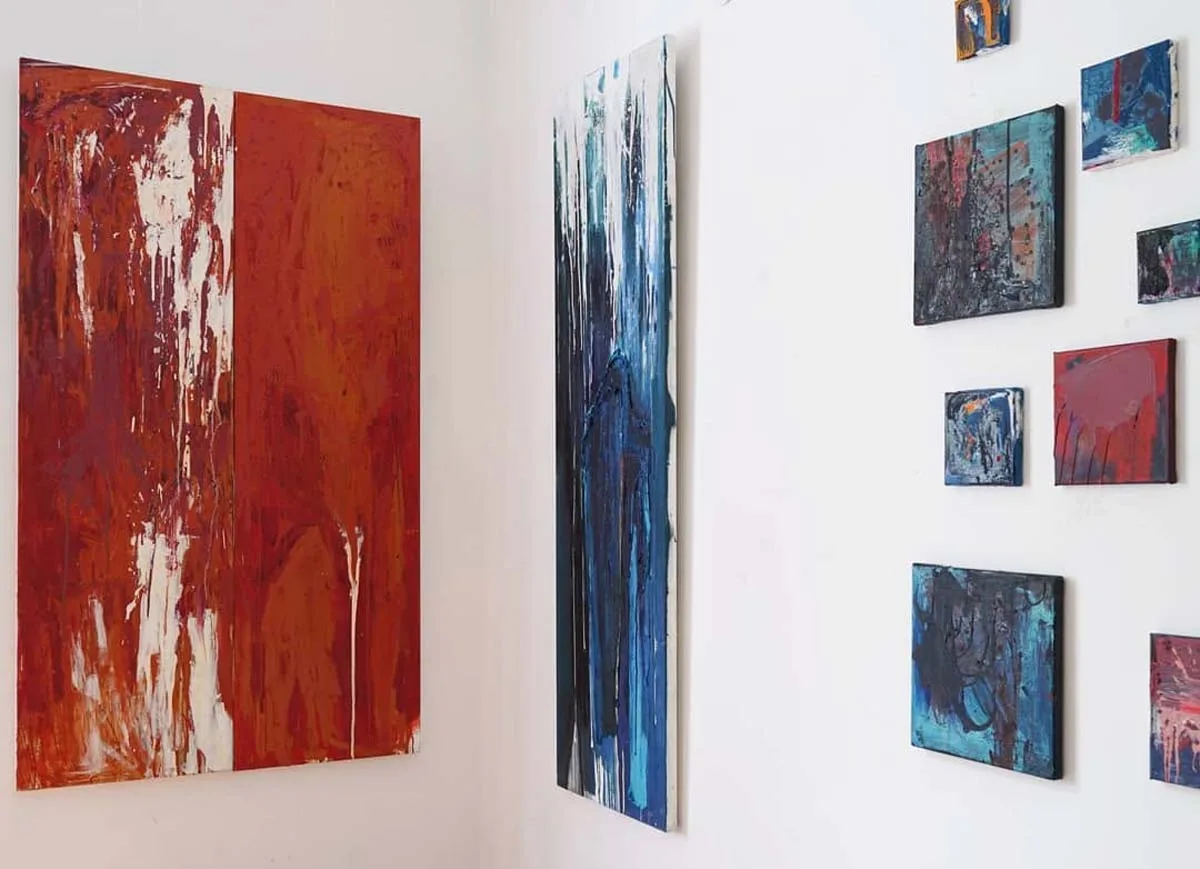
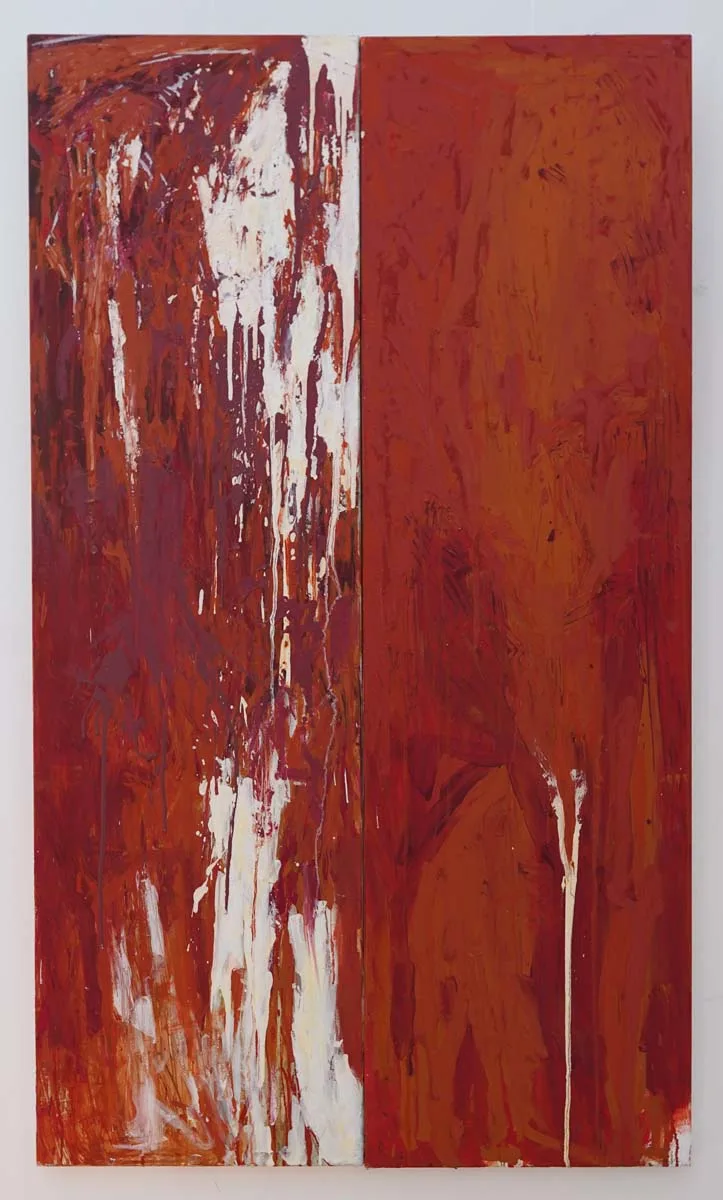
The polyptych is understood not merely as a form composed of multiple panels, but as a continuous way of thinking. A single work extends beyond its physical boundaries, repeating and transforming itself throughout the entire body of work. The line that connects the parts of the polyptych is at once its spine and its boundary, holding together different fragments of the same experience.
Each work gathers multiple impressions of a single lived reality, like ambivalent emotions moving through the body, like the intersection of collective memory and individual experience. Piece by piece, they form a unified whole.
Memories are never represented mimetically. They exist as emotion, sensory experience, and what remains within us after the lived moment has passed. A trace. A fragment from the stage of the past. A defile of shadows. Colours as sediments of memory.
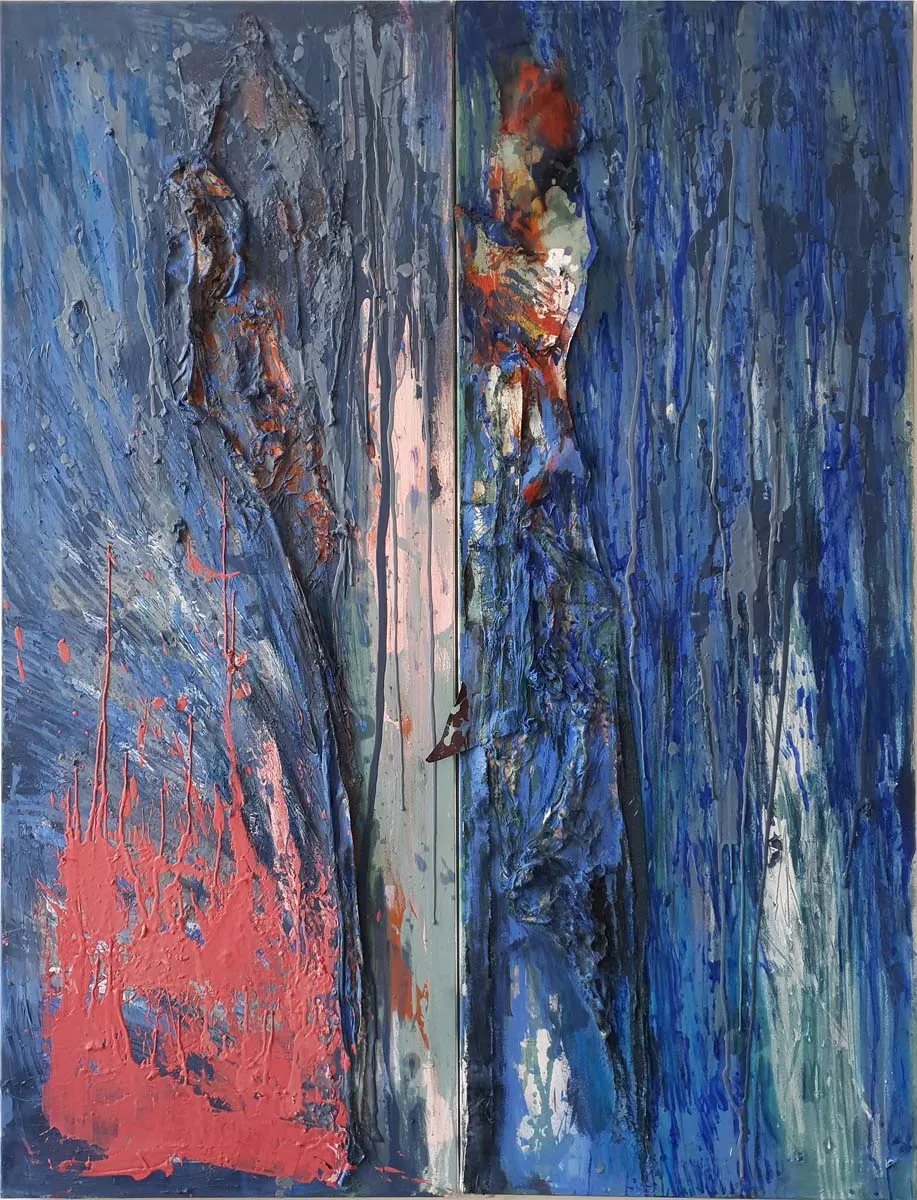
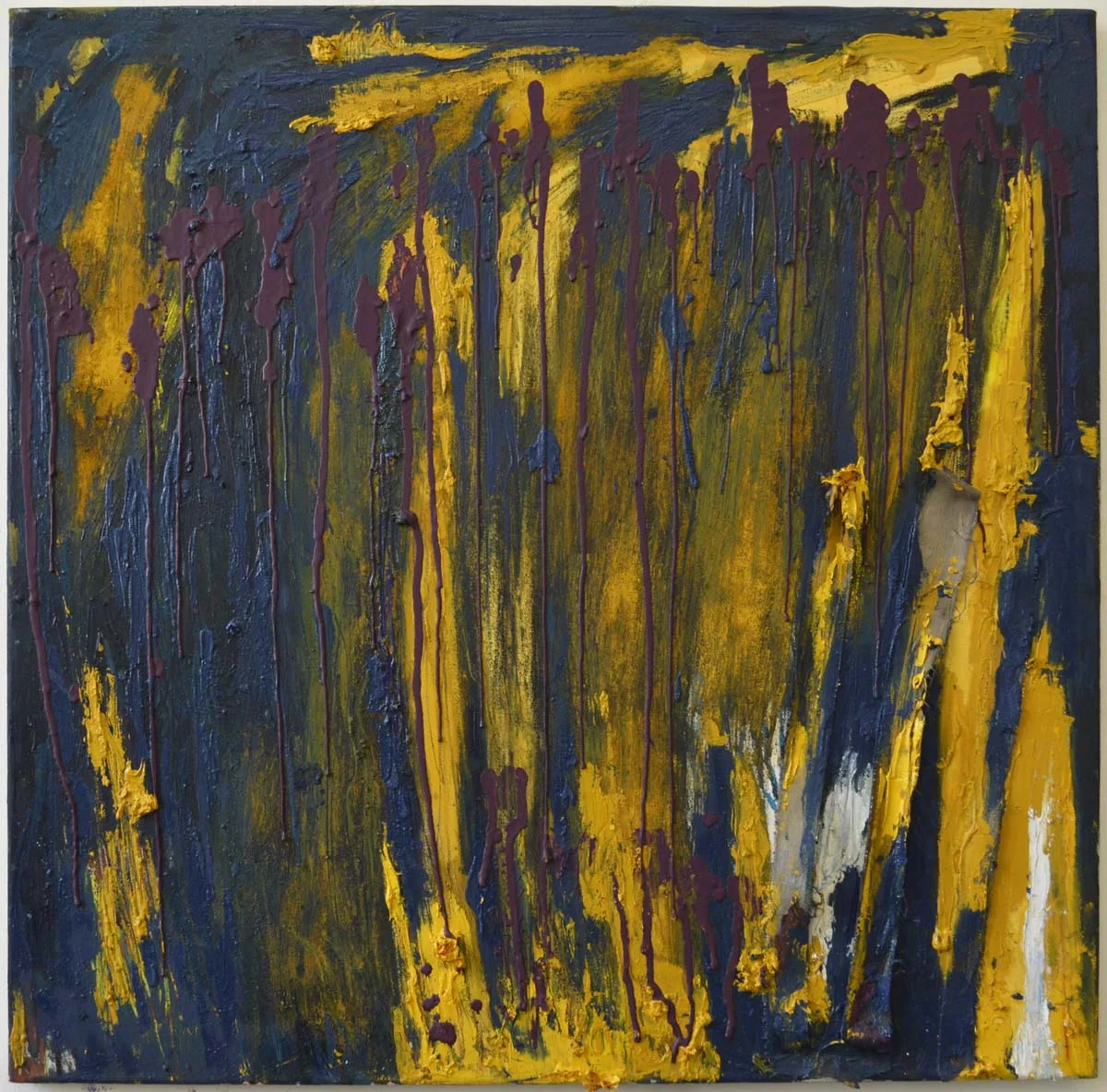
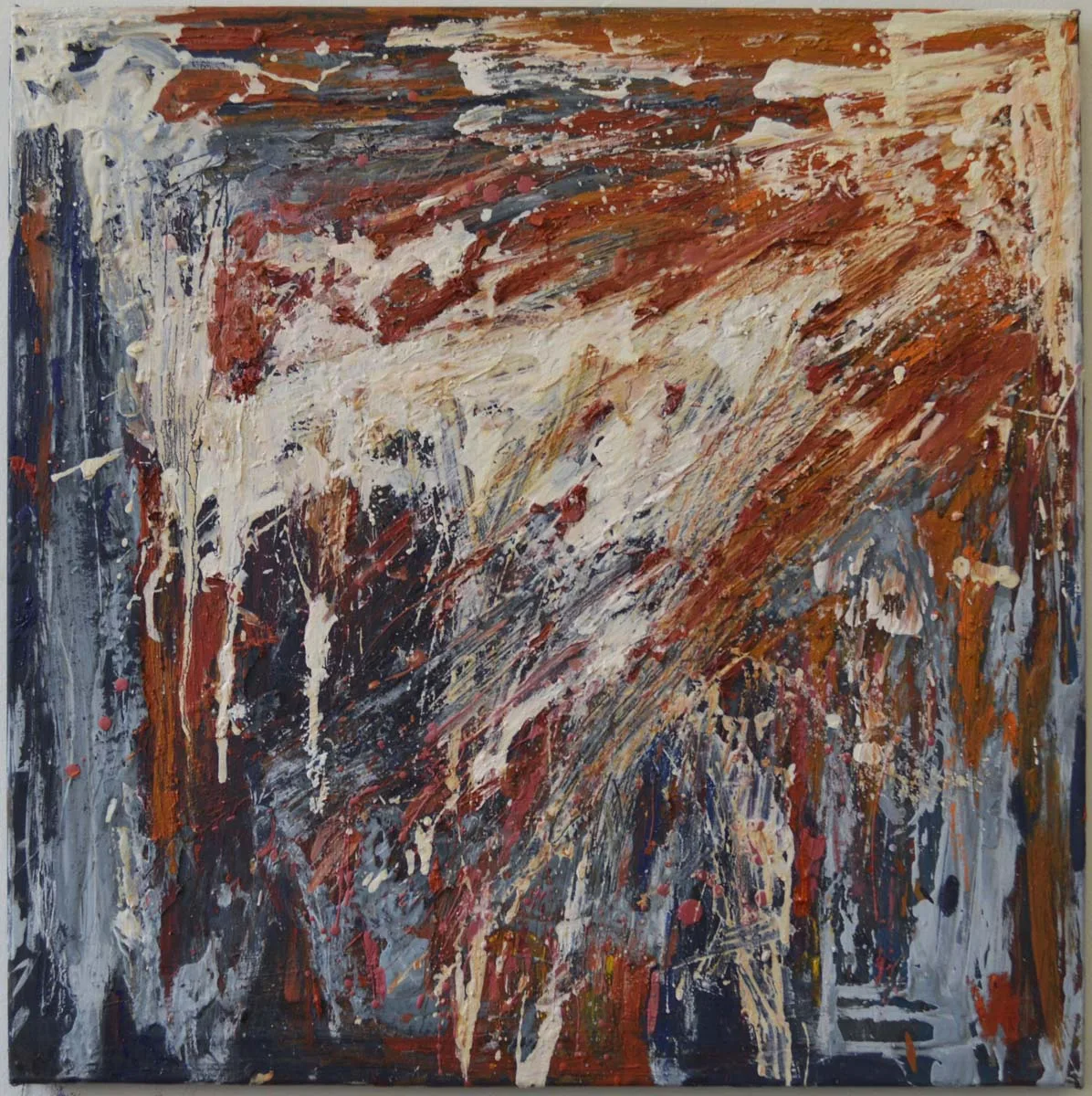
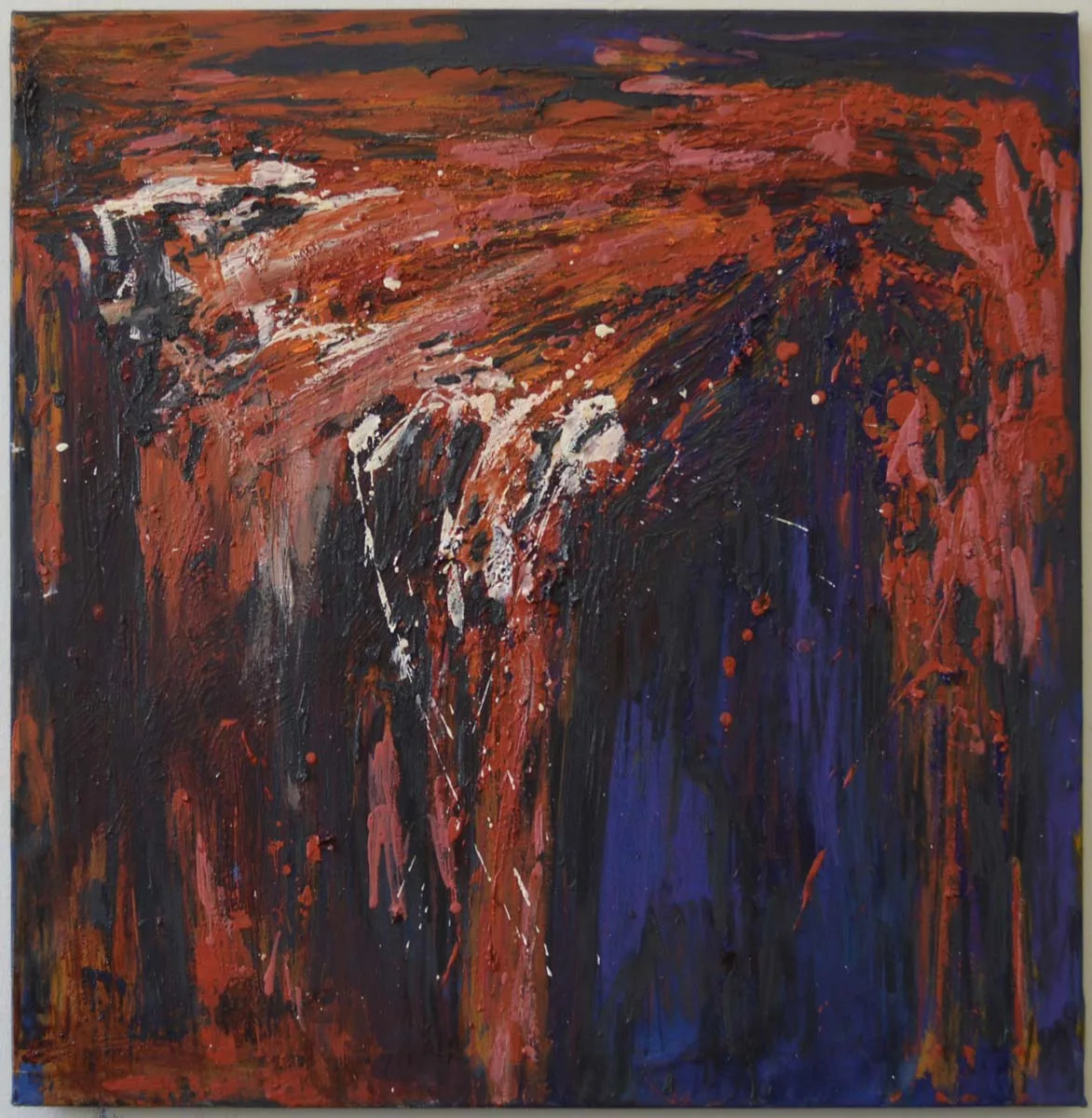
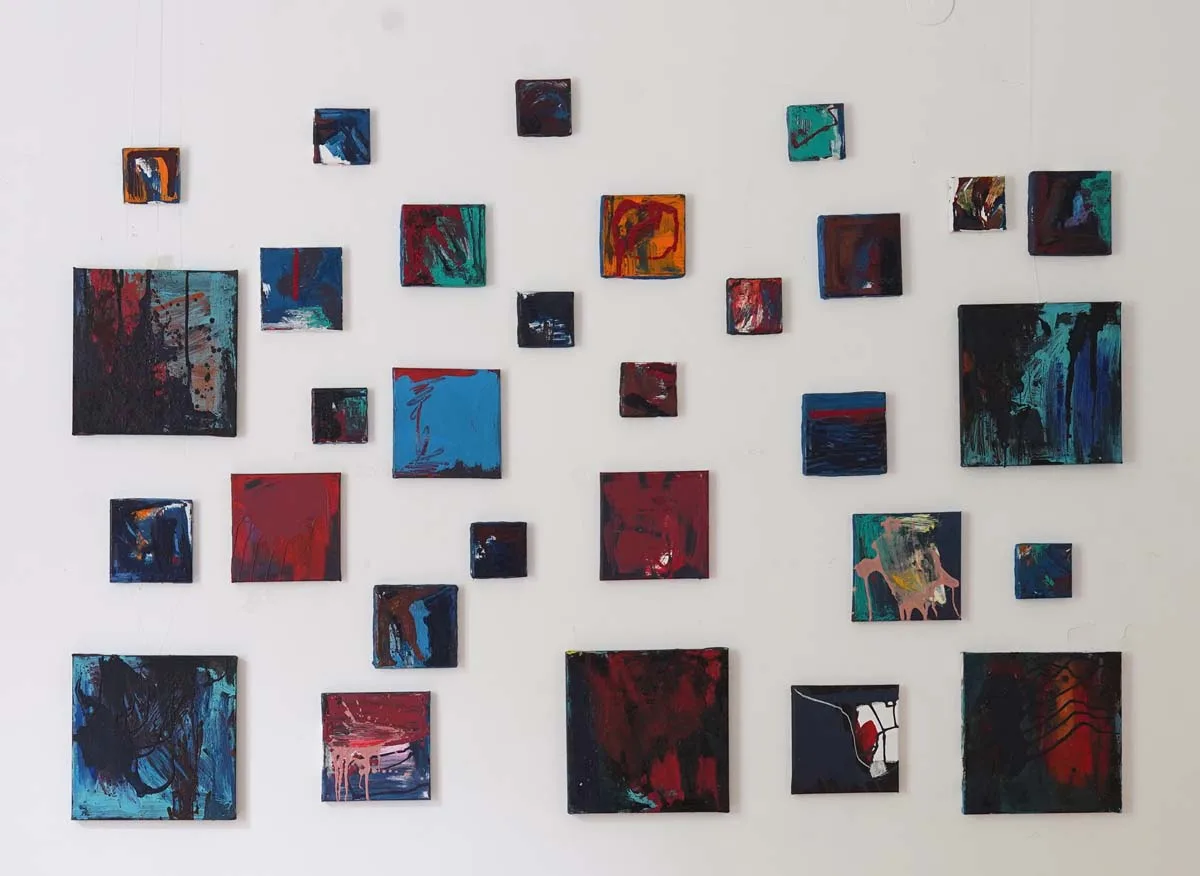
Concept – One in All and All in One as Inseparable Parts of a Unified Whole
The concept One in All and All in One as Inseparable Parts of a Unified Whole does not refer to the possibility of presenting a single artwork through multiple panels. Rather, it describes an extended process of thought: the understanding that an artwork—and the ideas that accompany its creation—can continually reappear, evolve, and resonate from one work to another, throughout an entire cycle of artistic research.
The line that functions as the spine of the polyptych simultaneously connects and separates its individual panels. It is both a point of unity and a boundary, preserving the autonomy of each fragment while affirming its belonging to a greater whole. In this sense, the polyptych becomes a constellation of different impressions arising from the same experience—much like the coexistence of contradictory emotions, or the dialogue between collective memory and individual experience. Fragment by fragment, these elements accumulate to construct a single visual and conceptual entity.
The series Structure of Memory is founded on the deconstruction and repositioning of memory and lived experience through artistic documentation. Here, deconstruction should not be understood as negation or destruction. Instead, it is a generative process that reveals new visual elements, enabling the construction of an entirely new visual identity.
These structures emerge from fragments of reality that act as catalysts—initial impulses from which memory and imagination are woven into the work. Through a continuous interplay of concealment and revelation, layers accumulate, overlap, and transform one another.
Memory is never represented mimetically in my work. It carries truth because it is inseparable from emotion. Memory may be archetypal, collective, or deeply personal, yet it always remains connected to the unconscious.
A work of art becomes the point at which the entirety of our past converges, giving rise to a new experience.
Memory, therefore, is not the depiction of an event. It is energy; it is sensory experience; it is what remains within us after experience itself has passed. A trace. A fragment from the stage of the past. A procession of shadows. Colors—the sediment of memory.
Like the elements of a painting, memories exist beyond logical order, governed instead by hidden rhythms and internal resonances.
More often than not, answers emerge before the questions are even formed.
Art is nothing less than the final horizon—the threshold where the conscious and the unconscious meet.